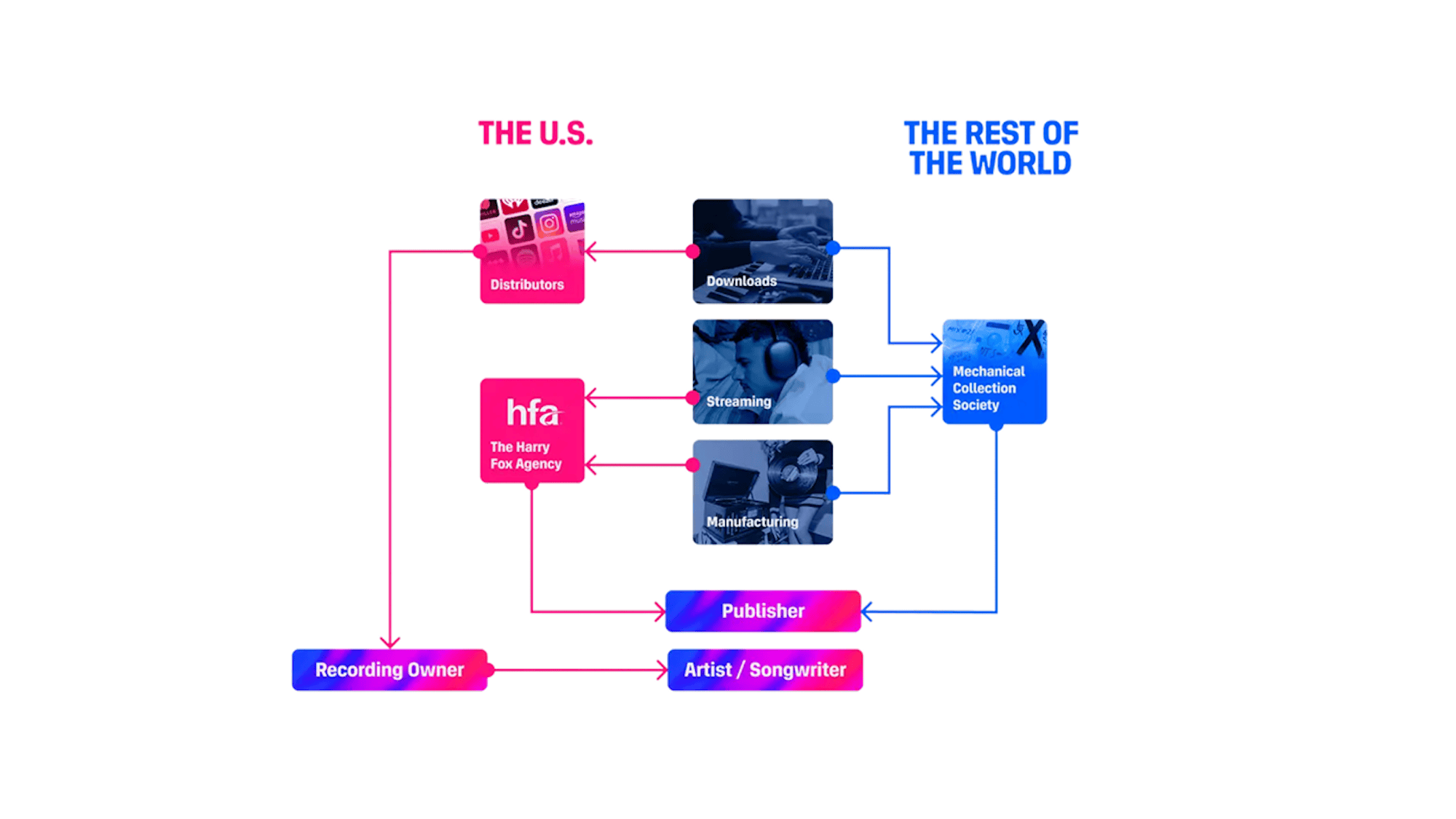
Music publishing is the foundation of how songwriters, artists, and composers earn revenue from their songs. Whether through streaming, radio play, television, or sync licensing, music publishers ensure that creators collect the publishing royalties they are owed. Without proper publishing administration, many artists miss out on significant income.
Publishing royalties come from multiple sources, including performance rights, mechanical royalties, and sync fees. Music publishers help artists navigate these revenue streams, ensuring they receive every cent they are entitled to. If you're an artist or songwriter looking to establish your own publishing company, understanding the business aspects of publishing is crucial.
The Two Core Copyrights in Music
Music copyrights are divided into two main categories:
Composition Rights: The rights to the written music, including lyrics and melodies.
Master Recording Rights: The rights to a specific sound recording of a song.
Each generates its own stream of royalties. If a song is played on YouTube or a streaming playlist, the master rights generate royalties for the recording owner, while the composition rights generate publishing royalties for the songwriter and music publisher. This distinction is crucial for artists aiming to collect all the income they are owed.
What Are the Three Main Types of Music Publishing Royalties?
1. Performance Royalties
Whenever a song is publicly performed on radio, television, in a club, or even in a live concert, performance royalties are generated. These royalties are collected by Performing Rights Organizations (PROs) like BMI, ASCAP, and global equivalents. Music publishers ensure that songwriters and composers receive these royalties worldwide.
2. Mechanical Royalties