In the complicated world of music royalties, every note, lyric, and beat you create has the potential to generate income. For songwriters, understanding performance royalties is not just about knowing where your money comes from; it's about proactively claiming what's rightfully yours. At KOSIGN, we empower independent artists and songwriters to navigate this complicated system, ensuring you keep 100% ownership while leveraging world-class technology to collect global publishing royalties faster.
What Are Performance Royalties?
Performance royalties are fees paid to songwriters and their publishers whenever a musical composition is performed or broadcast publicly. This includes a wide array of scenarios, from a song playing on the radio or television, to being streamed online, or even performed live in a venue. Essentially, if your music is heard in a public setting, it's generating performance royalties. And unlike master recording royalties, you don’t get paid by default so it is incredibly important to understand what they are and how these are distinct from other types of music income, such as mechanical royalties or sync fees, which are crucial for a songwriter's financial success.
The Two Halves of Music Copyright: Composition vs. Master
To truly grasp performance royalties, it's important to understand the fundamental distinction in music copyright: the composition and the master recording. These are often referred to as the two copyrights that exist for every song [2].
• Musical Composition Copyright: This protects the underlying music and lyrics of a song. It includes the melody, harmony, and lyrical content. The owners of this copyright are typically the songwriter(s) and their publisher(s). Performance royalties are paid to the owners of the musical composition [1].
• Sound Recording Copyright (Master Recording): This protects the specific recorded version of a song. It covers the actual audio recording, including the performance of the musicians and vocalists. The owners of this copyright are usually the recording artist(s) and/or their record label. While master recording owners earn royalties from the use of their recordings (e.g., digital performance royalties via SoundExchange for non-interactive streams), they do not earn performance royalties for the public performance of the composition [1].
This distinction is important because performance royalties are exclusively tied to the public performance of the musical composition, not the sound recording. When your song is played publicly, it is the underlying composition copyright that generates these earnings for you as a songwriter so even if you aren’t the recording artist, you still should get paid.
How Performance Royalties Are Generated and Collected
Performance royalties are generated through various public uses of your musical composition. These uses include:
• Radio Airplay: Both terrestrial (AM/FM) and satellite radio stations pay royalties for playing your songs [3].
• Television Broadcasts: When your music is featured in TV shows, commercials, or films broadcast on television [3].
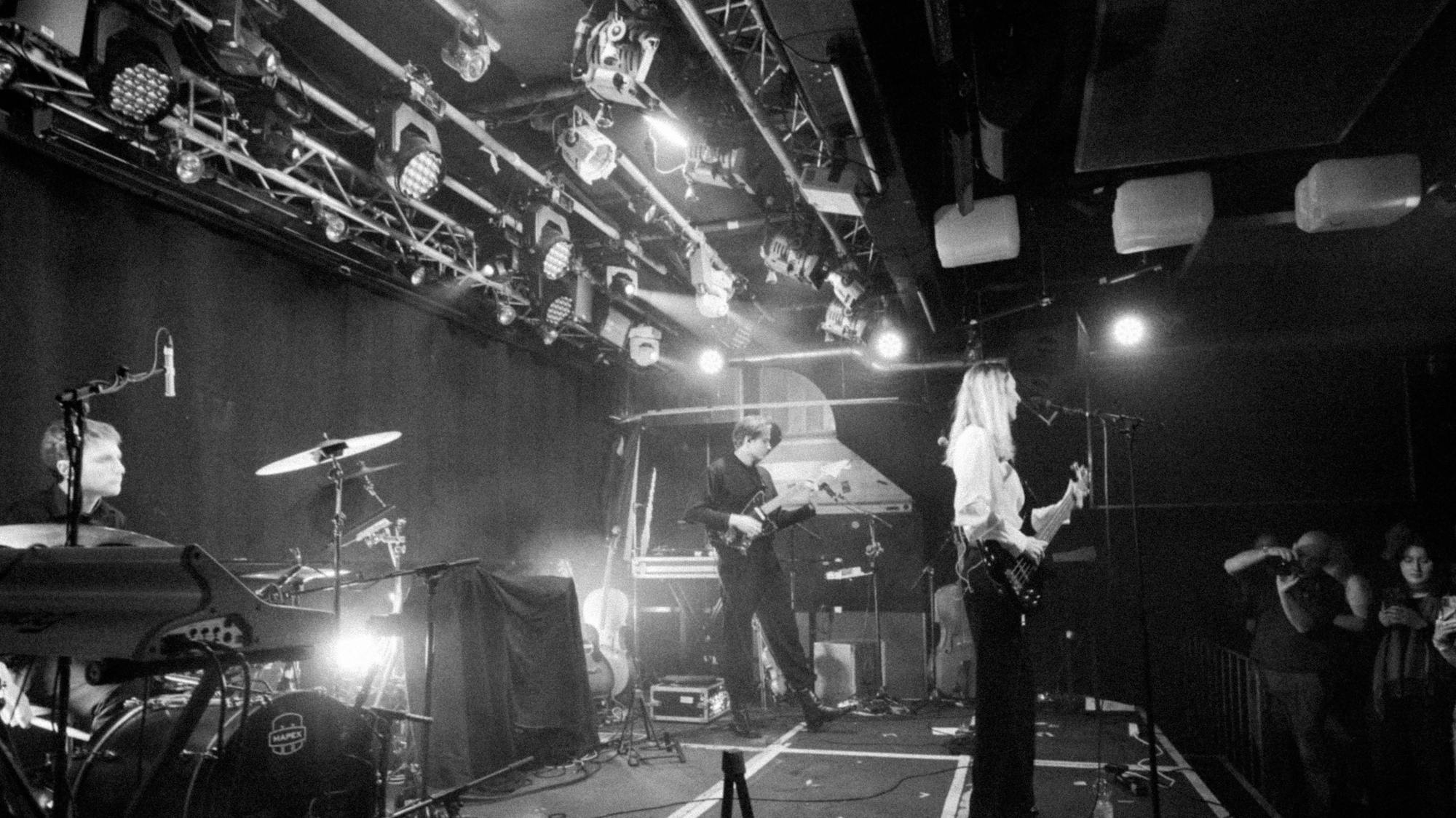
• Live Performances: This covers your music being played in venues such as concerts, clubs, restaurants, and even background music in retail stores [3].
• Digital Streaming: Interactive streaming services like Spotify, Apple Music, and Amazon Music generate performance royalties each time your song is played [3]. Non-interactive streaming services (like Pandora radio) also generate performance royalties.
To ensure songwriters and publishers receive their due, Performing Rights Organizations (PROs) play a crucial role. In the United States, the primary PROs are ASCAP, BMI, and SESAC. These organizations act as intermediaries, licensing the public performance of musical works on behalf of their members [1].
Here's how the process generally works:
• Licensing: PROs issue blanket licenses to businesses and platforms (radio stations, TV networks, venues, streaming services) that wish to play music publicly. These licenses grant them the legal right to use a vast catalog of songs [3].
• Tracking: PROs employ sophisticated tracking methods, including digital sampling, broadcast cue sheets, and direct reporting from licensees, to monitor when and where songs are performed [3].
• Collection: They collect licensing fees from these music users [3].
• Distribution: After deducting administrative fees, PROs distribute the collected royalties to the affiliated songwriters and publishers based on their proprietary formulas, which consider factors like audience reach, frequency of play, and the value of the performance [3].
It's important for songwriters to affiliate with a PRO to ensure their performance royalties are collected. Without this affiliation, these earnings can go unclaimed.
The Unseen Billions: Why Royalties Go Unclaimed
Despite the robust system designed to collect and distribute royalties, a significant amount of money remains unclaimed in the music industry. This phenomenon, often referred to as the "black box," represents billions of dollars globally that fail to reach the rightful creators. The Mechanical Licensing Collective (MLC) alone reported holding $424 million in unmatched royalties, while the industry as a whole has an estimated $2.5 billion in unclaimed funds [4].
Several factors contribute to this massive pool of uncollected royalties:
• Missing or Incorrect Metadata: This is the most common culprit. When a song is registered with incomplete or inaccurate information—such as misspelled names, incorrect song titles, or missing PRO affiliations—the system cannot match the performance data to the rightful owner [5].
• Lack of Registration: Many independent artists fail to register their works with a PRO or other collection societies, meaning their performances are tracked but the royalties have nowhere to go [5].
• Global Complexity: The music industry operates globally, but royalty collection is often fragmented by territory. If an artist's music is played internationally but they lack representation or reciprocal agreements in those territories, the royalties may remain with foreign collection societies [5].
• Split Disputes: Disagreements among co-writers regarding ownership percentages can delay or prevent the distribution of royalties until the dispute is resolved [4].
This "black box" of unclaimed royalties highlights the critical importance of accurate metadata and comprehensive registration. For independent artists, it underscores the need for a reliable partner to navigate the complexities of global royalty collection.
KOSIGN vs. Traditional Publishing: A New Era for Independent Artists
For decades, the traditional music publishing model often required songwriters to surrender a significant portion of their copyright ownership in exchange for administration and collection services. However, the landscape is shifting, and KOSIGN is at the forefront of this change, offering a modern alternative that prioritizes the artist's independence and financial well-being.
| Feature | KOSIGN Music | Traditional Publishing |
| Ownership | You keep 100% of your copyright ownership. | Often requires giving up a percentage of your copyright (e.g., a 50/50 split). |
| Technology | Powered by Kobalt's world-class technology, used by top industry professionals like Max Martin. | Technology varies; some rely on outdated systems. |
| Collection Speed | Designed for faster, more efficient global royalty collection. | Can be slow, with payments sometimes delayed by months or even years. |
| Transparency | Direct, accessible, and transparent reporting on your earnings. | Can be opaque, with complex statements and hidden fees. |
| Contract Length |No long-term contract. Leave at any time. | Locked into multi-year long term contract |
KOSIGN is not a distributor; we are a comprehensive music publishing administration platform that adds missing dollars to your bottom line. We understand that your music is your business, and we work for you to ensure you are compensated fairly for every public play, without compromising your ownership.
Maximizing Your Performance Royalties: Best Practices
To ensure you are capturing all the performance royalties your music generates, consider these best practices:
• Register Early and Accurately: Register your works with your PRO immediately upon release. Ensure all metadata, including co-writer splits and ISWC codes, is 100% accurate.
• Understand Your Splits: Clearly define and document the ownership percentages (splits) with your co-writers before a song is released to avoid disputes later.
• Monitor Your Statements: Regularly review your royalty statements from your PRO to identify any discrepancies or missing payments.
• Partner with a Publishing Administrator: Consider partnering with a platform like KOSIGN to handle the complex administrative tasks of global royalty collection, ensuring no money is left on the table.
Frequently Asked Questions (FAQ)
Q: What is the difference between performance royalties and mechanical royalties?
A: Performance royalties are paid for the public broadcast or performance of a musical composition (e.g., radio play, live performance, streaming). Mechanical royalties are paid for the reproduction and distribution of a musical composition (e.g., physical sales, digital downloads, and interactive streaming).
Q: Do I need a publisher to collect performance royalties?
A: No, you do not strictly need a traditional publisher. As an independent songwriter, you can register directly with a PRO to collect your writer's share. However, to collect the publisher's share globally and efficiently, partnering with a publishing administration platform like KOSIGN is highly recommended.
Q: How are performance royalties split between songwriters and publishers?
A: Performance royalties are typically divided into two equal halves: the writer's share (50%) and the publisher's share (50%). If you are an independent, self-published songwriter, you are entitled to both shares (100% total).
Q: How long does it take to receive performance royalties?
A: The timeline varies depending on the PRO and the type of performance. Generally, PROs distribute royalties quarterly, but it can take several months from the time of the performance for the royalties to be processed and paid out.
Q: Can I collect performance royalties for music released years ago?
A: Yes, but there are limits. Most PROs allow you to claim retroactive royalties for a certain period, typically two to three years. It's crucial to register your older works to capture any unclaimed royalties before they expire.
Take Control of Your Royalties with KOSIGN
Understanding performance royalties is the first step toward securing your financial future as a songwriter. The next step is taking action. Don't let your hard-earned royalties get lost in the "black box" of uncollected funds.
KOSIGN empowers independent artists and songwriters to keep 100% ownership while using the same world-class technology as Max Martin to collect global publishing royalties faster. We are your trusted partner in the complex world of music publishing, collecting money on your behalf so you can succeed.
Ready to maximize your earnings and take control of your music business? Apply to join KOSIGN today at kosignmusic.com/apply.
References
[1] https://soundcharts.com/en/blog/performance-royalties-vs-mechanical
[2] https://www.indiemusicacademy.com/blog/music-royalties-explained
[3] https://trolley.com/learning-center/understanding-payouts-how-are-performance-royalties-calculated-and-reported/
[4] https://royaltyexchange.com/blog/why-transparency-m...-in-music-royalties
[5] https://www.vistex.com/blog/music/unclaimed-music-royalties/
Related Resources
• Music Royalties Explained
• What is a PRO?
• Mechanical Royalties Explained
• Sync Licensing Explained
• International Royalties Explained
• What is Music Publishing Administration?